Introduction
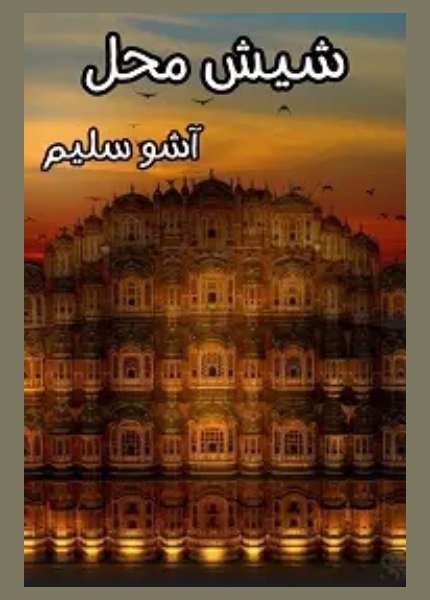
Sheesh Mahal, by Aashu Saleem, is a romantic and emotional Urdu novel whose title can be read, word by word, as palace of glass. That reading of the title is a useful starting point, because the novel is presented, in the description available for it, as a story about relationships that are beautiful and fragile at once: like glass, they catch the light, and like glass, they can break if they are not handled with care. A small word can strengthen a bond, the old page says, and a wrong decision can put distance between people. The emphasis falls less on any one event than on that fragility itself — on what it means to hold something precious carefully.
This guide is written for a reader who is deciding whether this novel suits them. It does not retell the story in detail, and it does not settle questions that the available sources leave unsettled. Where a detail is unverified, this guide says so plainly, rather than dressing a guess up as a fact. That caution matters here more than usual, because no independent listing or author-confirmed source for a novel of this exact title by this author was found in this research at all. Everything specific in this guide comes from the old page on this site, and it is presented strictly as that page’s description, not as independently verified fact. A careful reader should therefore treat the shape of the story, not any single plot summary found online, as the reliable guide to what kind of novel this is.
Read as a whole, the old page’s description agrees on the broad kind of book this is: an emotional, character-led romance in Urdu, written in a plain and accessible style, with its weight carried by feeling — love, trust, care, understanding and family in mixture — rather than by action or suspense. Readers who enjoy soft, heartfelt romance, and who like a story that pauses over emotion and meaning rather than rushing past it, are the most likely to connect with it.
Verified Details
| Detail | What is known |
| Title | Sheesh Mahal |
| Author | Aashu Saleem |
| Language | Urdu |
| Genre | Romantic and emotional Urdu novel, as described by the old page |
| Publication year | Not verified |
| Publisher | Not verified |
| Page count or length | Not verified |
| Completion status | Not verified |
| Screen adaptation | Not verified |
| Author biography | Not verified (no author-confirmed biographical source found) |
The table above is deliberately short. A longer table would look more complete, but it would do so by repeating figures and dates that no reliable source in this research actually supports. The honest position is that the title, the author name, the language and the broad genre are the only details with a description behind them at all, and even those rest on the old page alone, since no independent listing for this title by this author was found. Everything else about the book’s publication history is, at present, unverified.
About the Author
Aashu Saleem is presented in the available description as the Urdu fiction writer associated with Sheesh Mahal. The old page on this site describes writers of this kind in general terms only: as people who create stories around different emotions, relationships and experiences of life, and whose work appeals to readers who enjoy interesting titles and emotional themes.
None of that amounts to a verified biography. No author-confirmed source was found in this research giving her background, her other works, or her publishing history, and this guide therefore claims none of those things. What can safely be said is narrower, but it is enough for a reading decision: the description available agrees that she writes emotional Urdu romance aimed at ordinary readers, and that Sheesh Mahal belongs in that tradition. Readers looking for a fuller account of the author will need a source this guide does not have, and should not take the general praise on the old page as a substitute for one.
Story in Brief
At shape level, and without retelling the plot, Sheesh Mahal follows people whose relationships carry the same qualities as its title image: beauty, delicacy and a need for care. In the old page’s telling, life and relationships hold the same fragility as glass — a small kindness can make a bond stronger, and a wrong decision can create distance. Love appears alongside trust, care and understanding, and the characters move through different situations in life in which feelings, rather than events, carry the weight.
This guide deliberately stays at that level of generality, and the reason should be stated openly. The old page gives only this broad shape. It names no characters, and no scene, turning point or ending is corroborated by an independent, authoritative source — indeed, no independent source for this title by this author was found at all. Naming characters or describing events beyond this shape would present guesswork as fact. A reader who picks the novel up should expect a character-led romance about love tested by life’s difficulties and deepened by trust, and should treat any detailed plot summary found online with the same caution this guide applies here. No scene, ending or turning point is described in this guide, because none is verified well enough to describe.
Themes
Several themes recur across the old page’s description, and they give the clearest sense of what the novel is trying to do. Fragility is the first: not weakness as a flaw, but delicacy as a fact of relationships — the old page’s own image is glass, beautiful to look at and easy to break, and the story’s interest lies in what care can protect and what carelessness can damage.
Trust and understanding form a second thread, closely linked to the first. The old page describes trust and care as the qualities that keep relationships steady when people face different situations in life, so that love is shown surviving difficulty through attention rather than through luck. Family and life’s challenges form a third thread: relationships are set against the claims of family and of everyday life, so that a private feeling is never only private. Hope and patience run through all three, as the feelings of the people in the story are presented side by side: love sometimes brings closeness and sometimes puts a bond under strain, and patience is what lets feeling endure both. Taken together, these threads suggest a novel in which romance, trust, family and endurance are woven into one another, rather than kept apart. The emotional journey matters more than any single event: the story is about what love costs, what trust asks, and what care can still hold on to.
Who Should Read
This novel is most likely to suit readers who enjoy romantic Urdu fiction that is soft, heartfelt and easy to read, and who like stories where feelings run deep and relationships are explored through love, trust, family expectations and reconciliations. If you like stories where love is shown as care in action, where patience and understanding matter more than drama, and where the emotional journey matters more than rapid twists, the shape described here should appeal to you. Readers who value a plain, accessible style in Urdu — writing that does not put obstacles between the reader and the feeling — are also likely to find much to appreciate.
It may suit less well readers who prefer fast-moving plots, mystery, or stories built around action and suspense. It is also not the right choice for a reader looking for a detailed, scene-by-scene account of the story before reading, since this guide deliberately withholds that kind of summary, and the descriptions available are too thin to supply one reliably. The best approach is to come to the novel for its mood and its central image of the palace of glass, and to let its particular story unfold in the reading itself.
A Note on Reading It
A practical warning will save readers confusion. The title Sheesh Mahal belongs to more than one work: search results return a much older, different Sheesh Mahal by Shaukat Thanvi, a writer of an earlier generation, and that work is not this novel. Before choosing an edition, check the author name carefully and make sure it reads Aashu Saleem, rather than assuming that any work with this title is this one. That single check avoids the most common mix-up with this title.
This guide provides no copy of the novel. It is a review and reading guide only, written to help a reader decide whether the book suits them and what to expect from it in general terms. Readers who wish to read the novel should look for an authorised edition through a legitimate seller or library, and should be wary of any page that presents an unauthorised copy as though it were freely offered. A guide that is honest about what it does not know is more useful, in the end, than a page that fills every gap with a confident guess.
Frequently Asked Questions
Who wrote Sheesh Mahal?
Aashu Saleem, according to the live page for this novel. No independent listing for this title by this author was found in this research, so the attribution rests on the old page alone.
What kind of novel is it?
A romantic and emotional Urdu novel, as described by the old page. Its emphasis, in that description, is on love, trust, care, understanding and family relationships, with fragile feelings at the centre of the story.
When was it published?
Not verified. No source found in this research confirms a publication year, a publisher, or a page count, so this guide does not state any of them as fact.
Is there a screen adaptation?
Not verified. No adaptation was found in this research, and none is claimed here.
Does this page provide a copy of the novel?
No. This is a review and reading guide only. It provides no copy of the novel, and it contains no link to any other site offering one.