Introduction
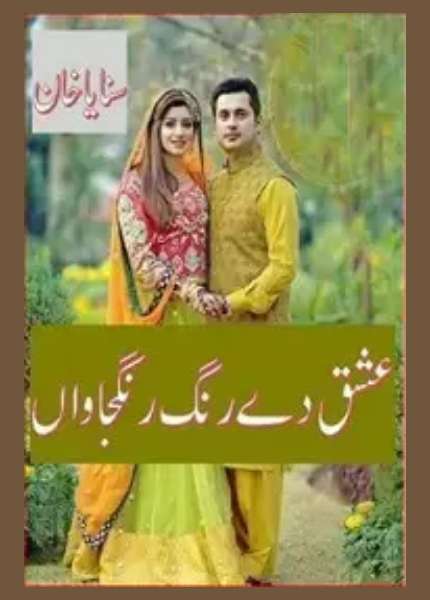
Ishq De Rang Rang Jawan, by Sanaya Khan, is an Urdu novel whose title carries its whole mood in a few words. The old page on this site reads the title as “Let the colors of love come alive”, and that reading is a useful starting point, because the novel is presented, in the description available for it, as a romantic and emotional story in which love is not one colour but many. Sometimes love brings happiness, sometimes it brings pain, and sometimes it teaches people important lessons about life and relationships. The story’s interest lies in that variety itself: love, in this novel’s telling, changes its shade as circumstances change, and the people in the story must learn to recognise each shade for what it is.
This guide is written for a reader who is deciding whether this novel suits them. It does not retell the story in detail, and it does not settle questions that the available sources leave unsettled. Where a detail is unverified, this guide says so plainly, rather than dressing a guess up as a fact. That caution matters here more than usual, because no independent descriptive listing for a novel of this exact title by this author was found in this research at all. One listing site, at snippet level only, lists the title and author under a romantic category, but it supplies no description, no plot account and no publication detail that this guide could use, and its page was not opened. Everything specific in this guide therefore comes from the old page on this site, and it is presented strictly as that page’s description, not as independently verified fact. A careful reader should therefore treat the shape of the story, not any single plot summary found online, as the reliable guide to what kind of novel this is.
Read as a whole, the old page’s description agrees on the broad kind of book this is: a romantic Urdu novel in simple and accessible language, whose weight is carried by feeling — love, emotions, family relationships, trust, hope and the choices people make in life — rather than by action or suspense. Readers who enjoy emotional love stories, and who like a story that pauses over feeling and meaning rather than rushing past them, are the most likely to connect with it.
Verified Details
| Detail | What is known |
| Title | Ishq De Rang Rang Jawan |
| Author | Sanaya Khan |
| Language | Urdu |
| Genre | Romantic and emotional Urdu novel, as described by the old page |
| Publication year | Not verified |
| Publisher | Not verified |
| Page count or length | Not verified |
| Completion status | Not verified |
| Screen adaptation | Not verified |
| Author biography | Not verified (no author-confirmed biographical source found) |
The table above is deliberately short. A longer table would look more complete, but it would do so by repeating figures and dates that no reliable source in this research actually supports. The honest position is that the title, the author name, the language and the broad genre are the only details with a description behind them at all, and even those rest on the old page alone, with only a snippet-level listing entry agreeing on the title, author and broad romantic category. Everything else about the book’s publication history is, at present, unverified.
About the Author
Sanaya Khan is presented in the available description as the Urdu fiction writer associated with Ishq De Rang Rang Jawan. The old page on this site describes her in general terms only: as a writer associated with romantic and emotional storytelling, whose work is aimed at readers who enjoy stories based on love, relationships and human feelings.
None of that amounts to a verified biography. No author-confirmed source was found in this research giving her background, her other works, or her publishing history, and this guide therefore claims none of those things. The listing entry found in this research confirms nothing beyond the title, the author name and a broad romantic category, and it is not treated here as a biographical source. What can safely be said is narrower, but it is enough for a reading decision: the description available agrees that she writes emotional Urdu romance aimed at ordinary readers, and that Ishq De Rang Rang Jawan belongs in that tradition. Readers looking for a fuller account of the author will need a source this guide does not have, and should not take the general praise on the old page as a substitute for one.
Story in Brief
At shape level, and without retelling the plot, Ishq De Rang Rang Jawan is a story in which love and relationships are given the greatest weight. In the old page’s telling, love can change a person’s life greatly: sometimes one relationship brings happiness, and sometimes that same relationship becomes a test, as the people in it face their feelings, their relationships and difficult decisions in life. The colours of love are not limited to happiness alone; they include trust, sacrifice, sadness, hope and understanding, and it is those colours together that make a romantic story interesting.
This guide deliberately stays at that level of generality, and the reason should be stated openly. The old page gives only this broad shape. It names no characters, and no scene, turning point or ending is corroborated by an independent, authoritative source — indeed, no independent descriptive source for this title by this author was found at all. Naming characters or describing events beyond this shape would present guesswork as fact. A reader who picks the novel up should expect a character-led romance about love in its many colours, and about trust, sacrifice and understanding holding relationships together through difficulty, and should treat any detailed plot summary found online with the same caution this guide applies here. No scene, ending or turning point is described in this guide, because none is verified well enough to describe.
Themes
Several themes recur across the old page’s description, and they give the clearest sense of what the novel is trying to do. Love and romance come first: not love as a single feeling, but love as a range of colours — happiness, pain, tenderness and hope — each of which the story is said to show in turn. Emotional relationships form a second thread, closely linked to the first, because love in this description is never only a private matter between two people; it is set inside families and friendships, where bonds, expectations and care shape what love can and cannot do.
Trust and loyalty form a third thread. The old page presents trust and loyalty as the qualities that let relationships hold when feelings run strong and circumstances test them, so that love is shown surviving difficulty through attention and faithfulness rather than through luck. Family values form another thread, because the story’s relationships are presented as rooted in family life, where what parents, siblings and elders expect can matter as much as what two people feel for each other. Sacrifice and patience run alongside them, as the qualities that let a person give something up for a relationship, and wait for understanding rather than forcing it. Hope and happiness, and life challenges, gather all of these together, as the story’s interest lies less in any one event than in how feeling deepens, steadies and changes a person over time, through difficulty as well as through joy. Taken together, these threads suggest a novel in which romance, trust, family, sacrifice, hope and endurance are woven into one another, rather than kept apart. The emotional journey matters more than any single event: the story is about what love shows in its many colours, what trust asks, and what patience can still hold on to.
Who Should Read
This novel is most likely to suit readers who enjoy romantic Urdu fiction that is emotional, gentle and easy to read, and who like stories where feelings run deep and relationships are explored through love, trust, family, sacrifice and hope. If you like stories where love is shown as care in action, where patience and understanding matter more than drama, and where the emotional journey matters more than rapid twists, the shape described here should appeal to you. Readers who value a plain, accessible style in Urdu — writing that does not put obstacles between the reader and the feeling — are also likely to find much to appreciate, and the title alone will attract readers who enjoy romantic and emotional stories.
It may suit less well readers who prefer fast-moving plots, mystery, or stories built around action and suspense. It is also not the right choice for a reader looking for a detailed, scene-by-scene account of the story before reading, since this guide deliberately withholds that kind of summary, and the descriptions available are too thin to supply one reliably. The best approach is to come to the novel for its mood and its many-coloured image of love, and to let its particular story unfold in the reading itself.
A Note on Reading It
A practical warning will save readers confusion. Before choosing an edition, check the author name carefully and make sure it reads Sanaya Khan, and check that the title reads Ishq De Rang Rang Jawan, rather than assuming that any work with a similar title is this one. That single check avoids the most common mix-up with a title like this one, where love and colour imagery are common across many works.
This guide provides no copy of the novel. It is a review and reading guide only, written to help a reader decide whether the book suits them and what to expect from it in general terms. Readers who wish to read the novel should look for an authorised edition through a legitimate seller or library, and should be wary of any page that presents an unauthorised copy as though it were freely offered. A guide that is honest about what it does not know is more useful, in the end, than a page that fills every gap with a confident guess.
Frequently Asked Questions
Who wrote Ishq De Rang Rang Jawan?
Sanaya Khan, according to the live page for this novel. A snippet-level listing entry agrees on the title and author name, but no independent descriptive source for this title by this author was found in this research, so the attribution rests on the old page, with that listing agreement noted.
What kind of novel is it?
A romantic and emotional Urdu novel, as described by the old page. Its emphasis, in that description, is on love, emotions, family relationships, trust, loyalty, sacrifice, hope and life challenges, with feelings at the centre of the story.
When was it published?
Not verified. No source found in this research confirms a publication year, a publisher, or a page count, so this guide does not state any of them as fact.
Is there a screen adaptation?
Not verified. No adaptation was found in this research, and none is claimed here.
Does this page provide a copy of the novel?
No. This is a review and reading guide only. It provides no copy of the novel, and it contains no link to any other site offering one.